
 See what changes
Kitchen Wrapping in Dubai
Kitchen wrapping changes the visible finish of suitable existing cabinets without requiring the whole kitchen to be removed. For Dubai homeowners who like their current layout but want a different appearance, it is an option worth comparing with cabinet replacement.
Final suitability is confirmed after inspection.
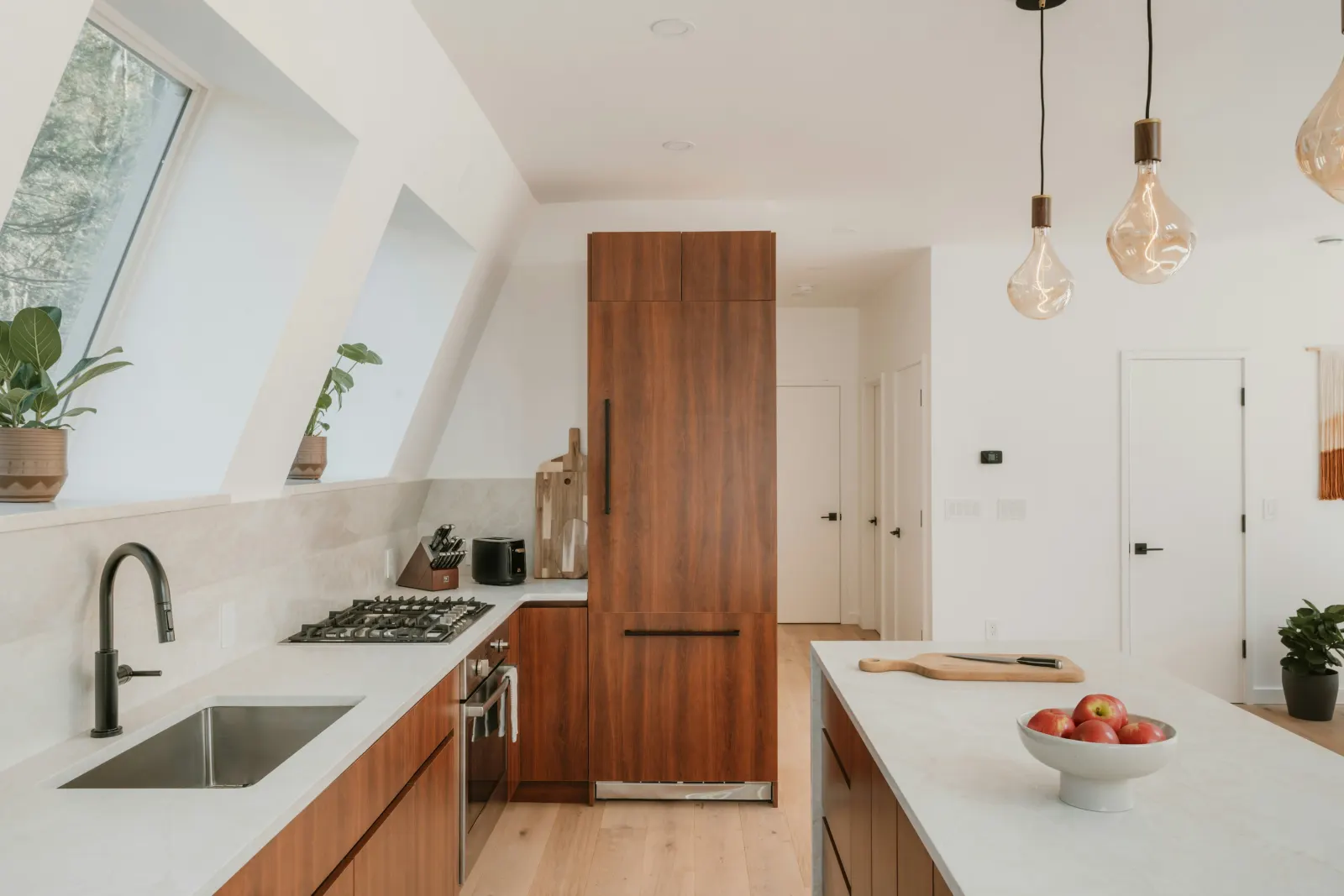
Kitchen wrapping applies architectural film to the visible surfaces of cabinets that are still structurally sound. You can wrap only the kitchen cabinet doors and drawer fronts, or the visible sides as well. It changes colour, grain and texture without replacing the kitchen. Whether yours is suitable depends on the cabinet material, its condition and how the surfaces are used, so we assess first.
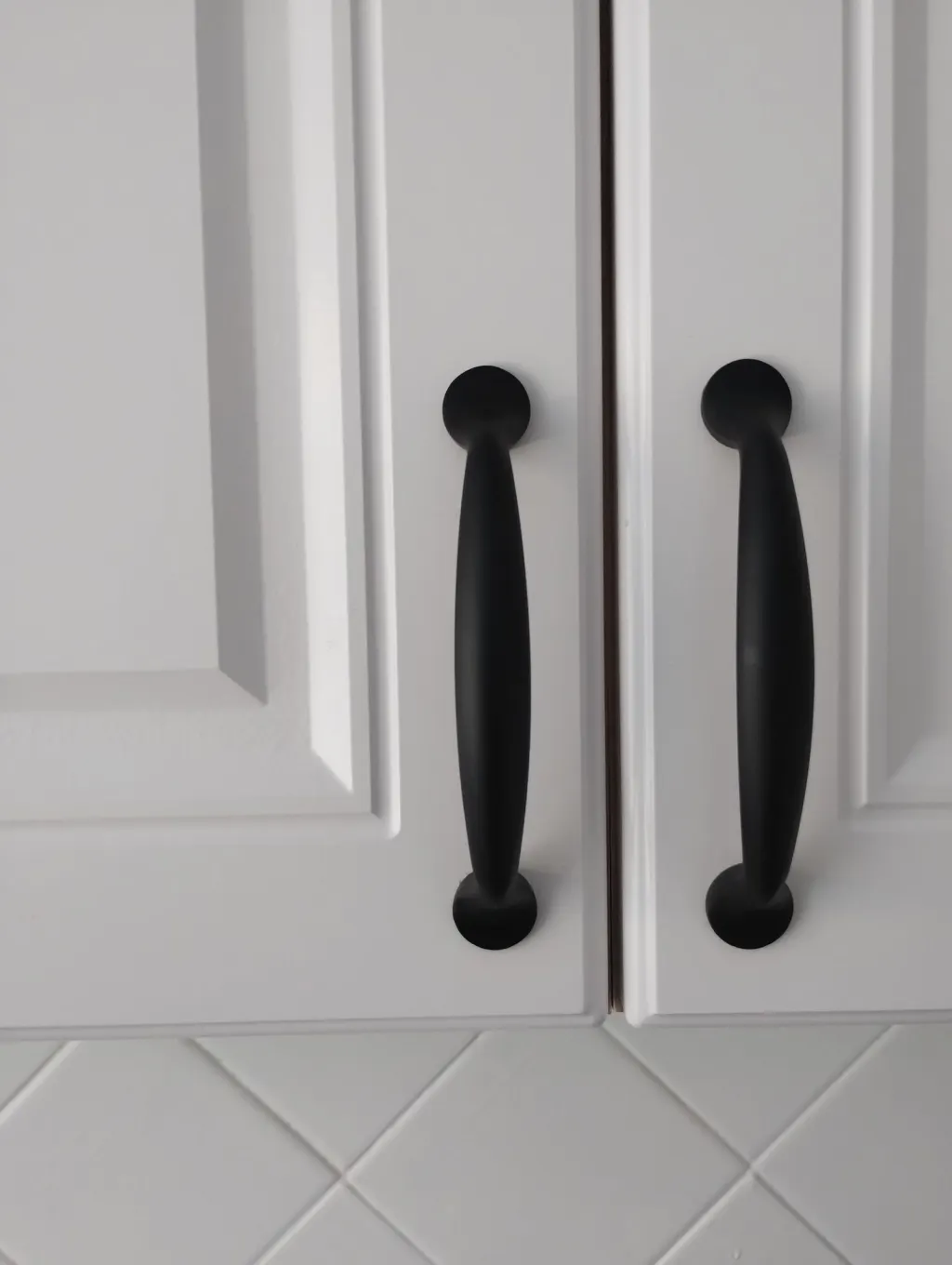
The doors are the part you see.
Cabinet doors and drawer fronts are the most visible surfaces in a kitchen, so changing their finish changes how the whole room looks. Send photos of yours and we will say whether they suit wrapping.
What can be wrapped, and what should not be.
Who it suits
- Homeowners who like the layout but not the colour or finish
- Kitchens where only the doors and drawer fronts look tired
- Landlords refreshing a rental between tenants
- Apartments where heavy renovation is disruptive or restricted
- Cabinets whose structure is sound but surface is dated or worn
When it may not be appropriate
- Cabinets with water swelling, rot or failing edge banding across many panels
- Kitchens where the layout itself needs to change
- Surfaces under constant direct heat with no protection
How the process works.
- 01
Share photos or book a visit
Photos of doors, drawers, edges and any damage let us give early guidance. An on-site check confirms it.
- 02
Surface assessment
We check material, condition, grease build-up, edges and heat zones before recommending wrapping.
- 03
Choose a finish
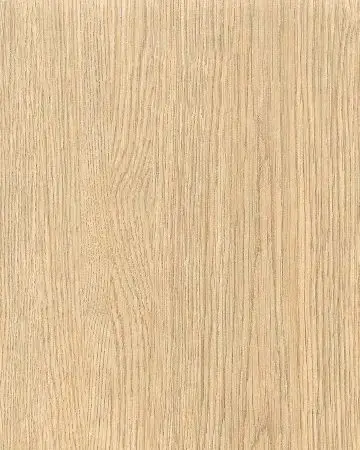
Compare wood, marble-look, stone-look and matte directions in the finish explorer, then confirm samples.
- 04
Preparation
Surfaces are cleaned and degreased and minor defects addressed. Preparation is the step that most affects how well film holds.
- 05
Installation
Film is fitted panel by panel with attention to edges and corners.
- 06
Handover and care
You receive cleaning guidance suited to the finish chosen.





Guides about kitchen wrapping.
Architectural film vs wallpaper vs laminate vs paint
Film suits re-skinning sound surfaces such as cabinets, doors and counters with a wide range of looks. Wallpaper suits dry walls where pattern matters most.
GuideKitchen backsplash wrapping: a tile alternative and its limits
Flat, smooth, sound walls and tiles with narrow grout are the best candidates.
GuideThe best finish for kitchen cabinets
Architectural wrap offers the widest range of looks and a low-disruption install on sound cabinets.
GuideBest Interior Wrapping Solutions in Dubai: Kitchens, Countertops, Walls, Furniture & Commercial Spaces
The best interior wrapping solution depends on the surface. Kitchens, doors, wardrobes, furniture and reception desks…
Can old kitchen cabinets be wrapped?
How does kitchen wrapping compare with replacement?
How long does a kitchen wrap take?
Do I need to move out during the work?
Can I get an accurate quote from photos?
Can you wrap only the kitchen doors and keep my cabinets?
Can kitchen cabinet doors with a profile or raised panel be wrapped?
Do you wrap car doors or vehicles?
Planning kitchen wrapping?
Send photos of the surfaces. We will say what looks suitable and what needs a closer look before any visit.